Moroccan Recipes

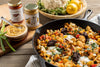
Tagine of Chicken, Preserved Lemons and Olives

Tagine of Chicken, Preserved Lemons and Olives

Serves 6-8

Ingredients

  • 2 whole chickens
  • 3 onions chopped
  • 10 crushed cloves of garlic
  • 1 tsp of ginger or fresh ginger
  • A little bit of saffron
  • ¼ cup of olive oil
  • Salt
  • ¼ glass of water
  • ¼ cup of fresh lemon juice
  • 4 preserved lemon cut into slices
  • 2 cups of Moroccan preserved red olives

Preparation

Cut into serving sized pieces or similar amount of chicken breasts (preferably 2 whole free ranch chickens), clean, drain and rub the chicken with fresh lemons and salt. Leave it in the fridge overnight if possible or for 1 hour then rinse and drain again.

Mix the garlic, black pepper, ginger, saffron, salt, onion and 1/4 of olive oil than rub the chicken with the mixture and leave it for 1 hour for the meat to absorb all the spices.

Put olive oil, chicken and all the ingredients in a Tagine such as: onions, garlic, saffron, ginger, lemon juice, salt and water. Mix and cover then let cook on a medium fire, till the chicken is almost cooked, add preserved lemon slices, olives, and cook for 5 minutes on a low fire.

Present the chicken, watered with sauce and decorated with olives and preserved lemon slices.

Matboukha

(Baked Green, Red or yellow peppers and tomatoes with poivron rouge)

4-6 servings

Ingredients:

  • 8 ripe tomatoes
  • 8 red, green or yellow peppers
  • ¼ cup of chopped parsley
  • 1 tbsp poivron Rouge
  • 2 tsp Cumin
  • ½ tsp salt or as needed
  • 8 crushed cloves of garlic( you can use less or more as you like)
  • ½ cup of olive oil
  • 2 tbsp of regular white vinegar

Preparation

Preheat the oven to 400 degrees. Wash the vegetables then put the tomatoes and peppers inside the oven to bake for 20 minutes. (Keep an eye on the tomatoes as they tend to bake faster). Take the tomatoes and peppers out of the oven and peel the skin off and take off the seeds.

Cut them in small peaces about 1/2 inch than put aside.

In a separate pan put a ¼ of olive oil, thinly chopped garlic, cumin, paprika, and salt to sauté for five minutes.

Then add the tomatoes and peppers to the pan and stir. Mix all the ingredients until the sauce thickens.

Add ¼ of olive oil on top and sauté for another 10 minutes.

Set it aside to cool down.

Then add 2 tbsp of white vinegar.

Serve on a large platter decorated with preserved lemons wedges and parsley.

Tagine Curing and Seasoning

Tagine -- the word, also spelled Tajine, refers both to the cooking pot as well as a stew cooked in it -- is one of dozens of classic tagines prepared in Northern Africa, especially Morocco. The tagine consists of two parts: a round pot (traditionally clay), and a conical cover with a small hole which allows some steam to escape.

In order to use your cooking tagine and get optimum taste from your Mediterranean, it is highly recommended if not, mandatory that it is seasoned before initial use. Please follow these simple instructions below for maximum results:

1. The new tagine needs to be first submerged in water for 24 hours.
2. Let it dry for 24 hours then start cooking.

Please note: Start cooking with low heat until you see that your tagine is warm then proceed with medium heat and do not increase the heat too high keep it on steady/stable temperature all the way.

Tagine Cleaning

It is recommended that you hand wash your tagine, as it has not been tested for dish wash machines. And leave it to dry flat. Do not leave submerged in soapy water.

Note:

Tagines sometimes may look chipped on the sides or the top. As tagines are being fired in traditional kilns, they may stick to each other and they are hand separated, which leaves the impression of a chip. Please understand that this is a normal occurrence and in no way is a defect. These tagines are hand-made using basic tools and in somewhat primitive conditions. Small imperfections, such as tight fits and natural color variations are to be expected and valued as part of the non-industrial beauty of the product.

Most tagines do not have a hole punched on the lid and its presence makes no difference.

Please do not add cold water on hot tagines during cooking. Tagines cannot resist such thermo shocks and can easily crack.

Please inquire about our Moroccan cooking books.

About our Chef

Chef Katia Casablanca, a native of Rabat Morocco, inspired by her mom’s cooking and the women she was brought up with, is a self-taught chef with a passion of creating fabulous dishes using spices imported from Morocco and organic produce from the farmer's markets around the bay area.

Signature dishes include chicken with preserved lemons and olives, lamb with almonds and prunes, Matboukha ( baked red, yellow and green bell peppers with poivron rouge), Zalouk ( roasted Egg Plants and spices) sea food basteeya, and couscous casablanca.